


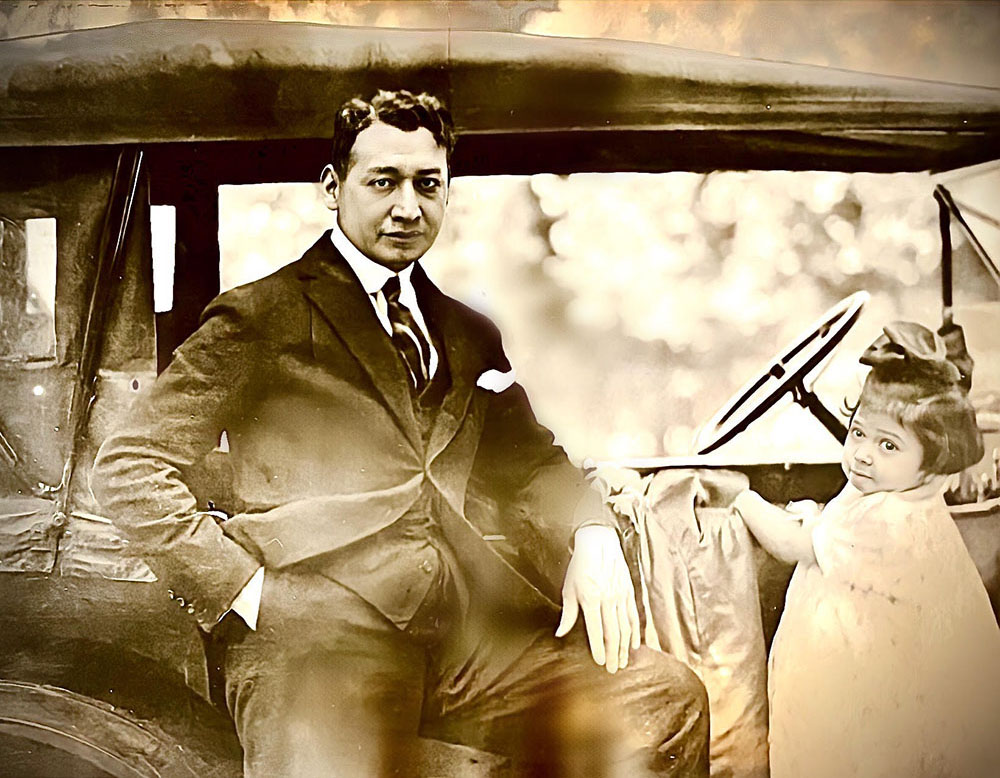
Just over a hundred years ago, when there were no gastronomy degrees or avant-garde cooking programs —not even television— don Dionisio Mollinedo, or “Papá Nicho” as I called him, decided to share his love for Mexican delights with the people of the capital. That’s how he gave me a life of my own, under the name Café de Tacuba, hoping that, in time, I could provide and feed for him.
Much has happened since then. Millions of people have walked through my doors and sat in my chairs. Today, my walls speak the languages of every foreigner who has visited me from distant corners of the planet; even so, I have made them all feel at home. But above all, my walls speak a language that everyone understands and that is part of any culture in the world: cooking.
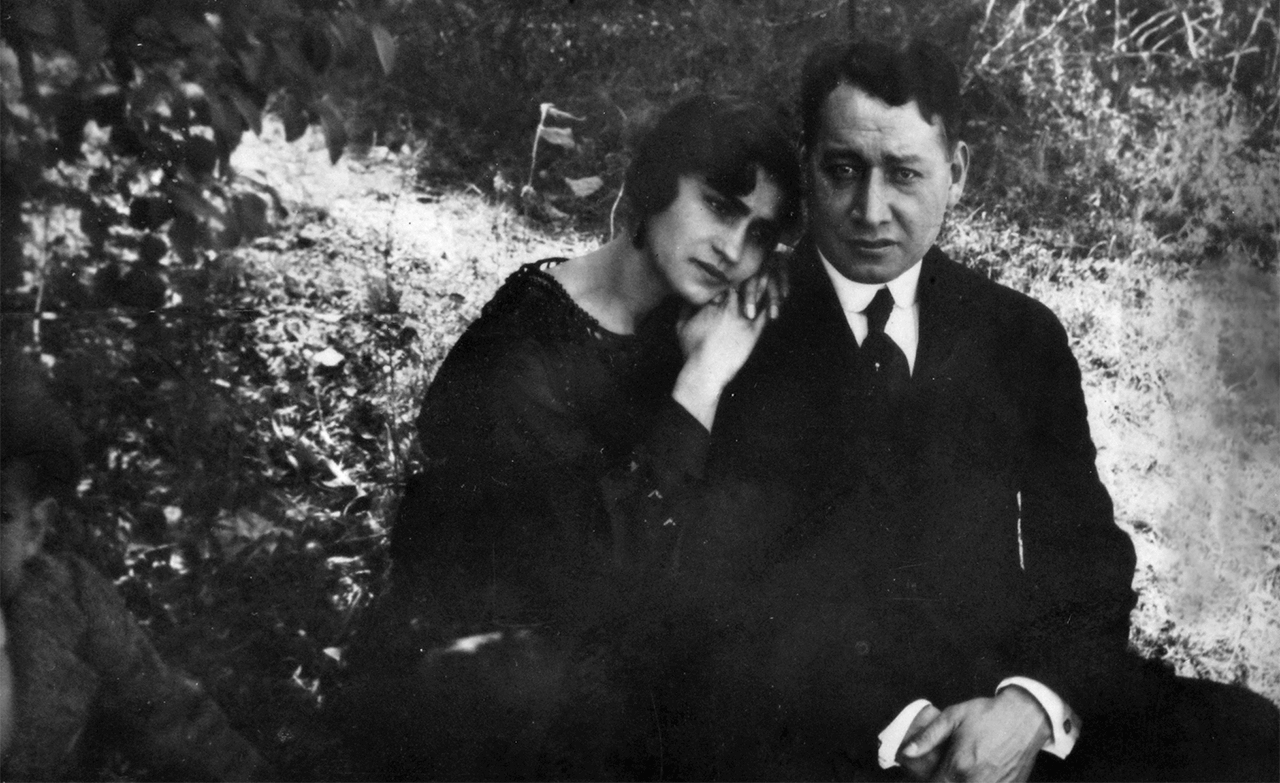
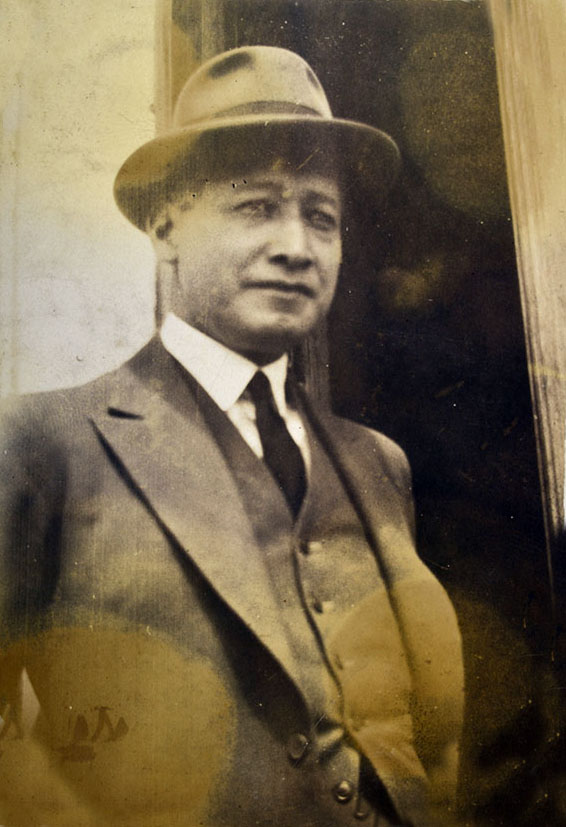
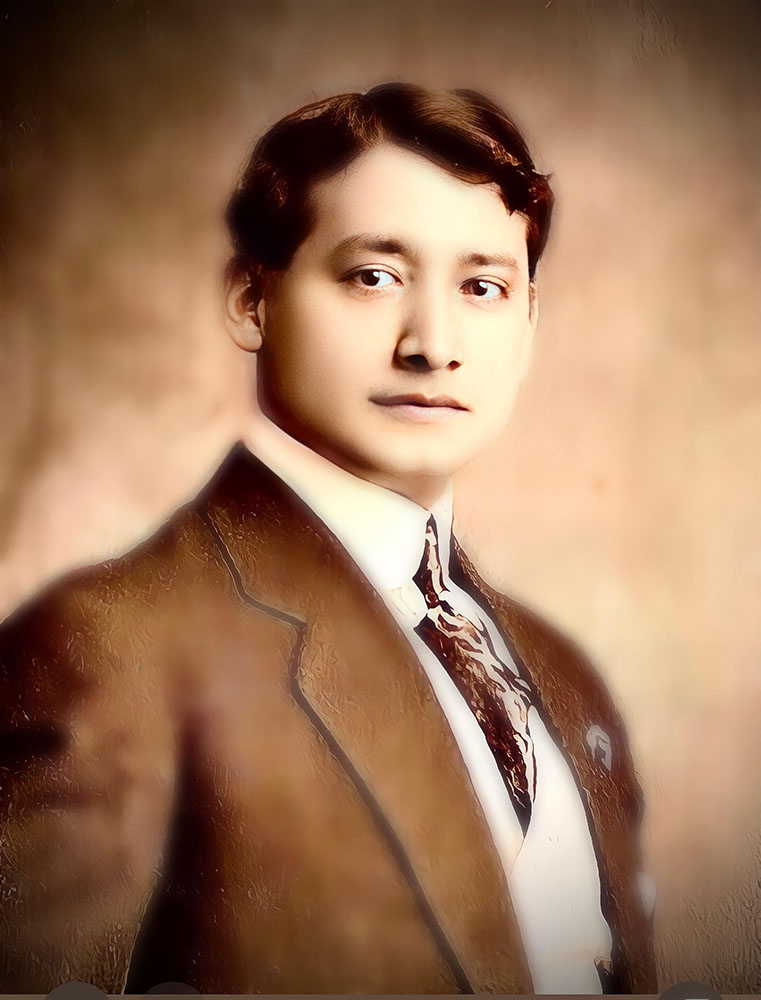
A series of events, people, a touch of chance, and the determination of my creators led me, four generations later, to this birthday, the most important one in my journey. I’m turning a century old and I’m not tired; in fact, I feel more alive than ever. I’m turning a century old and I still have the same flavor. Hearing so many conversations and seeing so many smiles has kept me strong. All those people have become part of me, and I have become part of their memories.
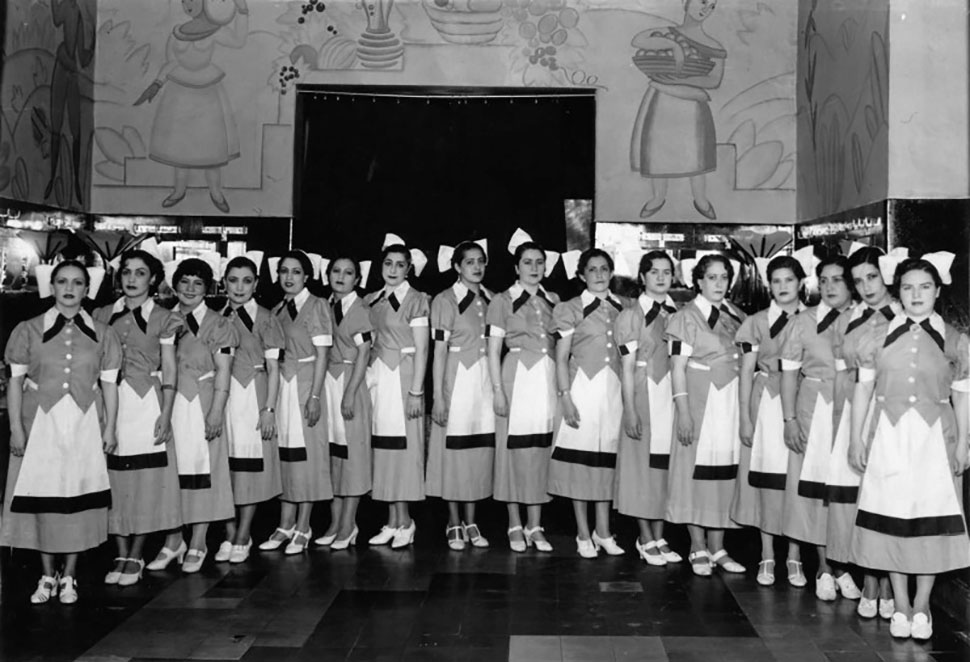
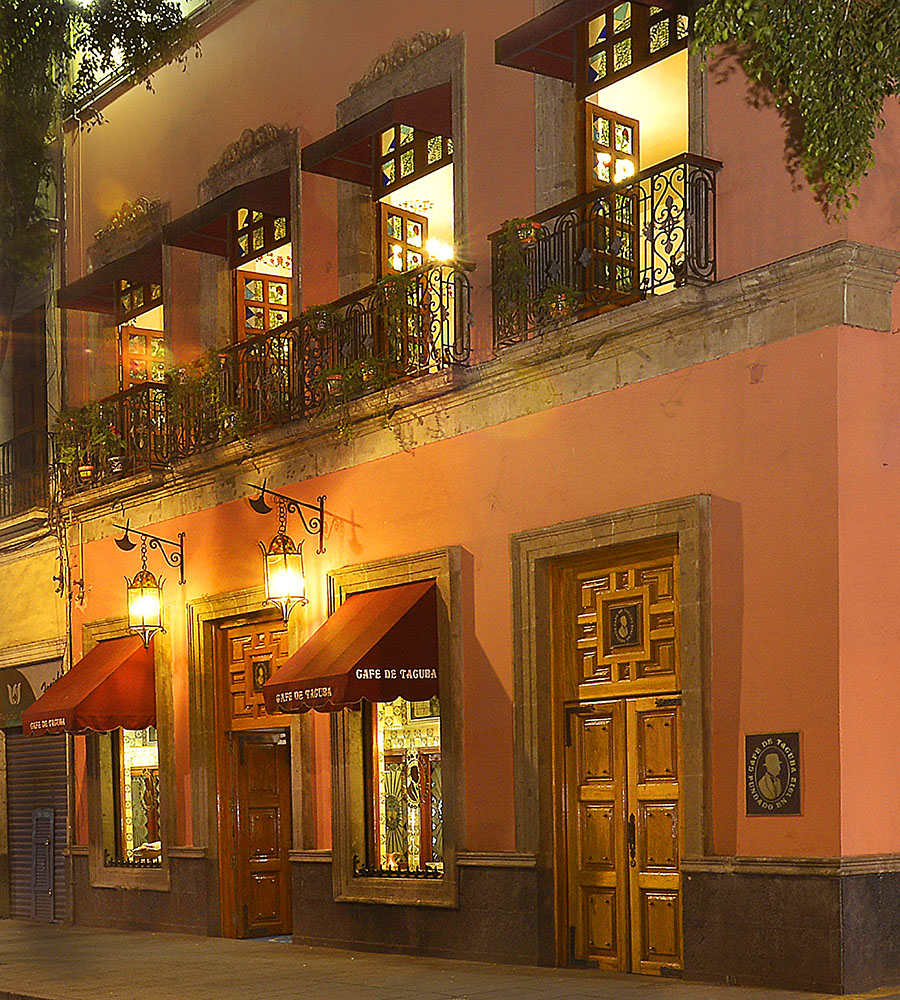
My waitresses, cooks, captains, and headwaitresses are my gears, my engine; without them, my character would cease. My customers are my blessing: they fill my rooms with vibrant music. And this 17th-century mansion, in which I was fortunately born, still stands after four centuries; its aged walls are my temple and have carried me alive through time.
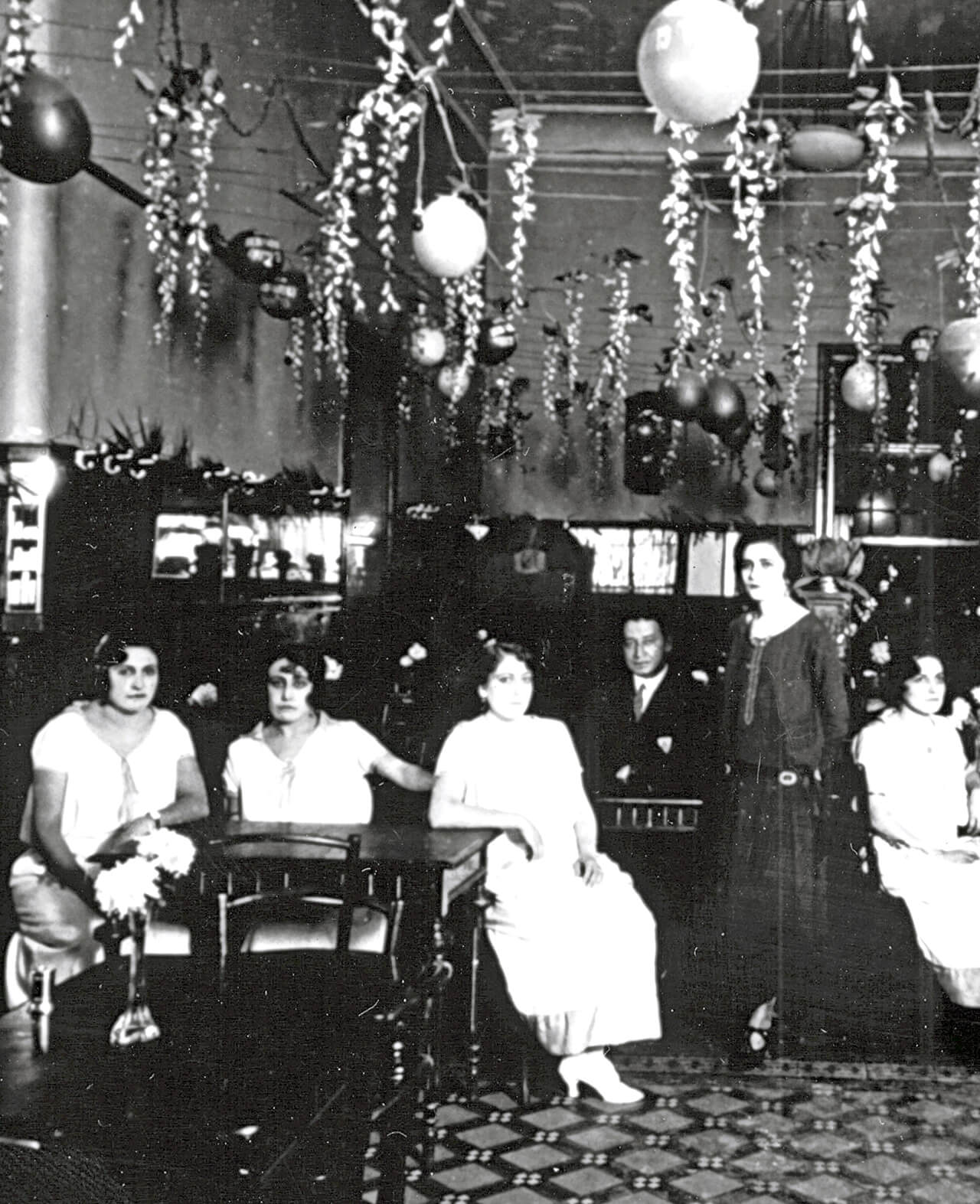
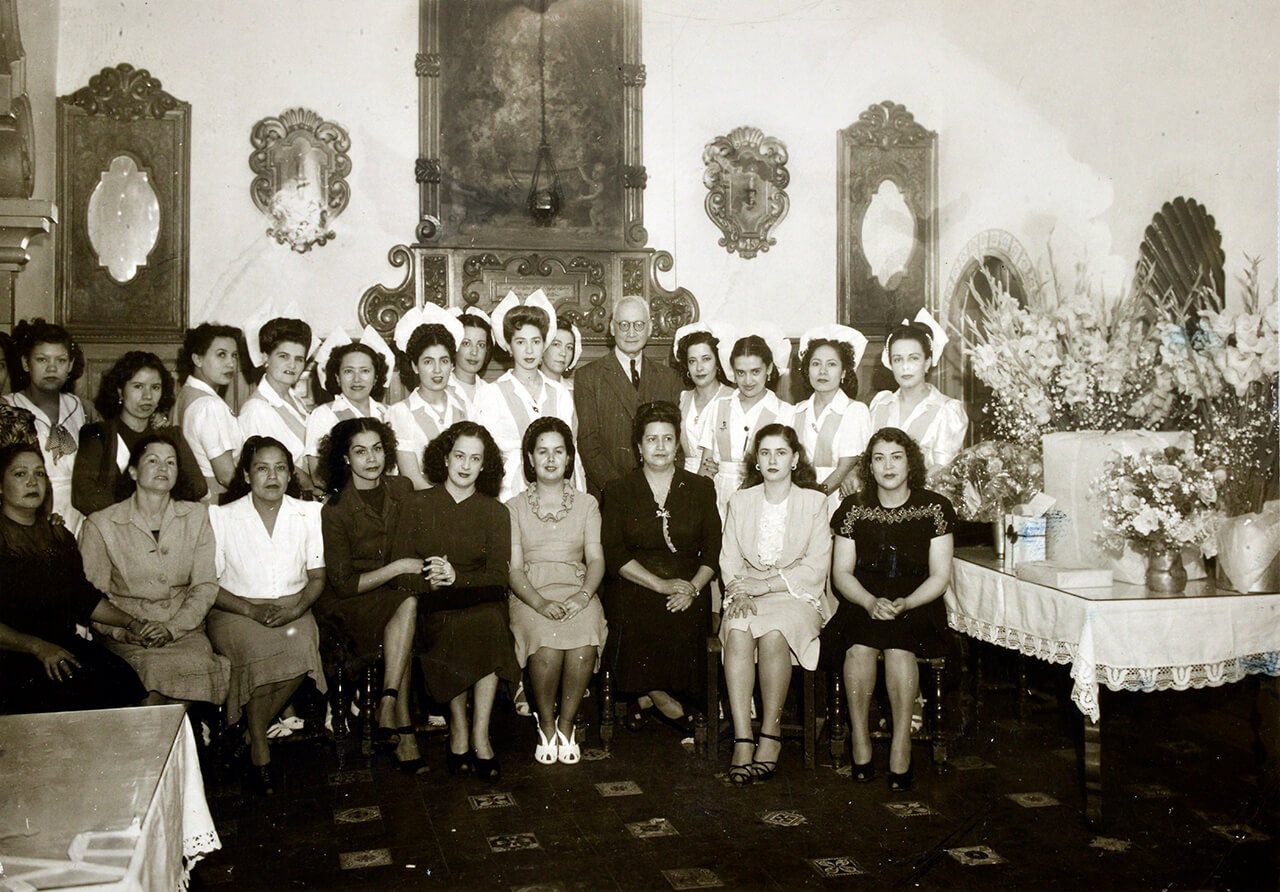
I am proud to have been the excuse for so many encounters, family gatherings, romances, and moments, and to be part of the life of our Historic Center in Mexico City. I have seen presidents, thinkers, artists, writers, singers, and politicians “dunk” my sweet conchas into the café con leche; in general, my best audience: all those with an appetite for Mexico, yearning to relive the feeling of tasting the dishes from their homes, from their grandmothers. It is precisely this feeling that I awaken in my guests that distinguishes me and has given me my best attribute: my essence, the same one that has enveloped thousands of diners in a timeless space.
A space surrounded by beautiful murals of Mexican gastronomy and invaluable paintings of historical figures, all from different but memorable eras that I saw pass, each better than the last. On several occasions, the nostalgia this provokes in me has been expressed in the dishes prepared by my dear headwaitresses; I know my people perceive it, I see it in their faces.
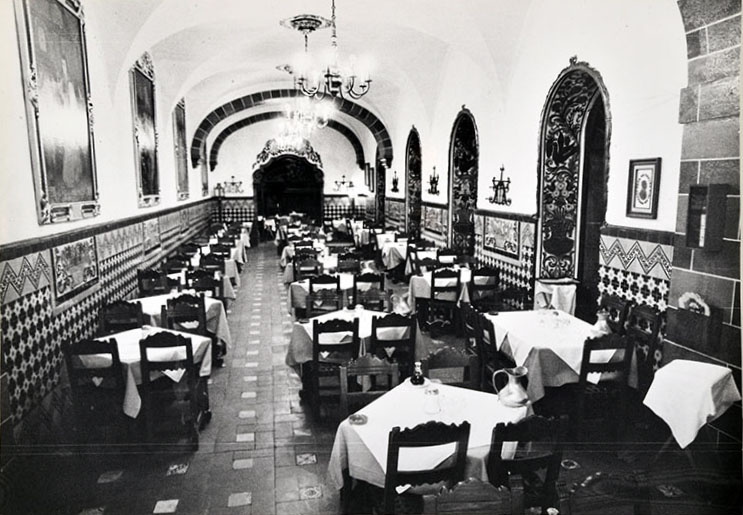
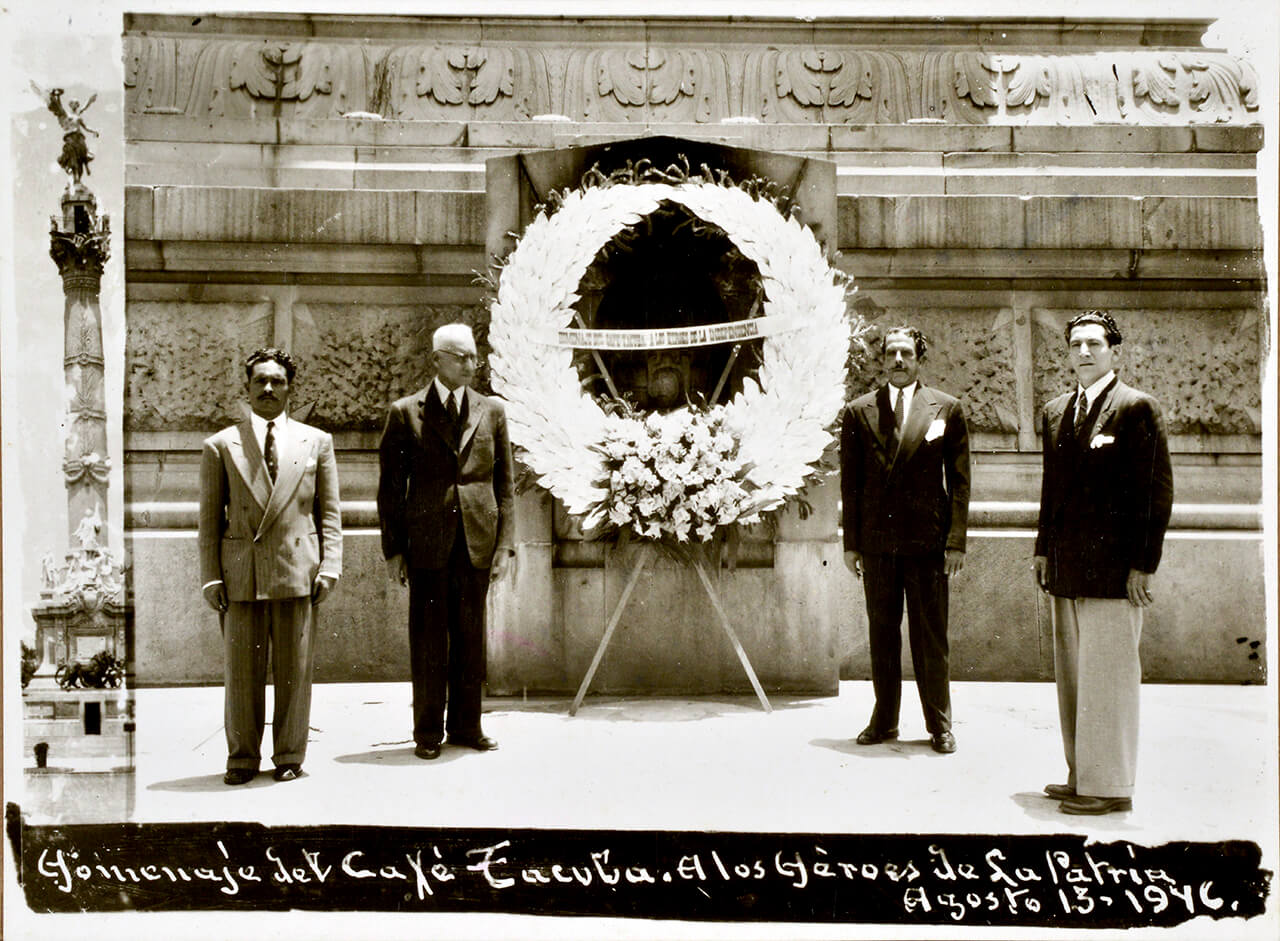
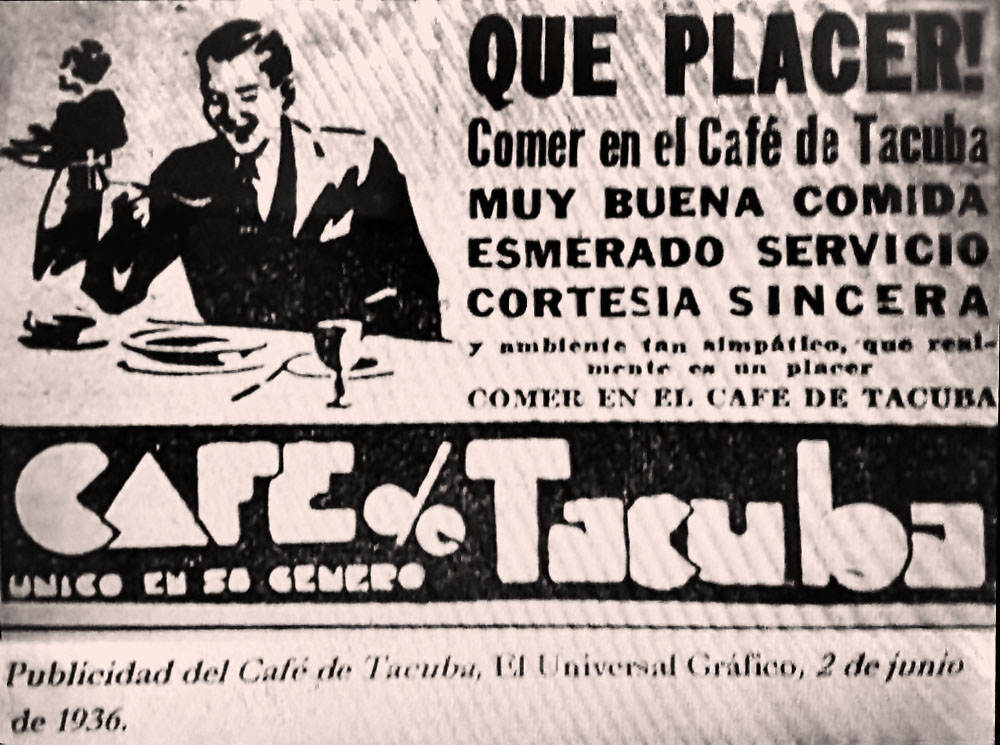
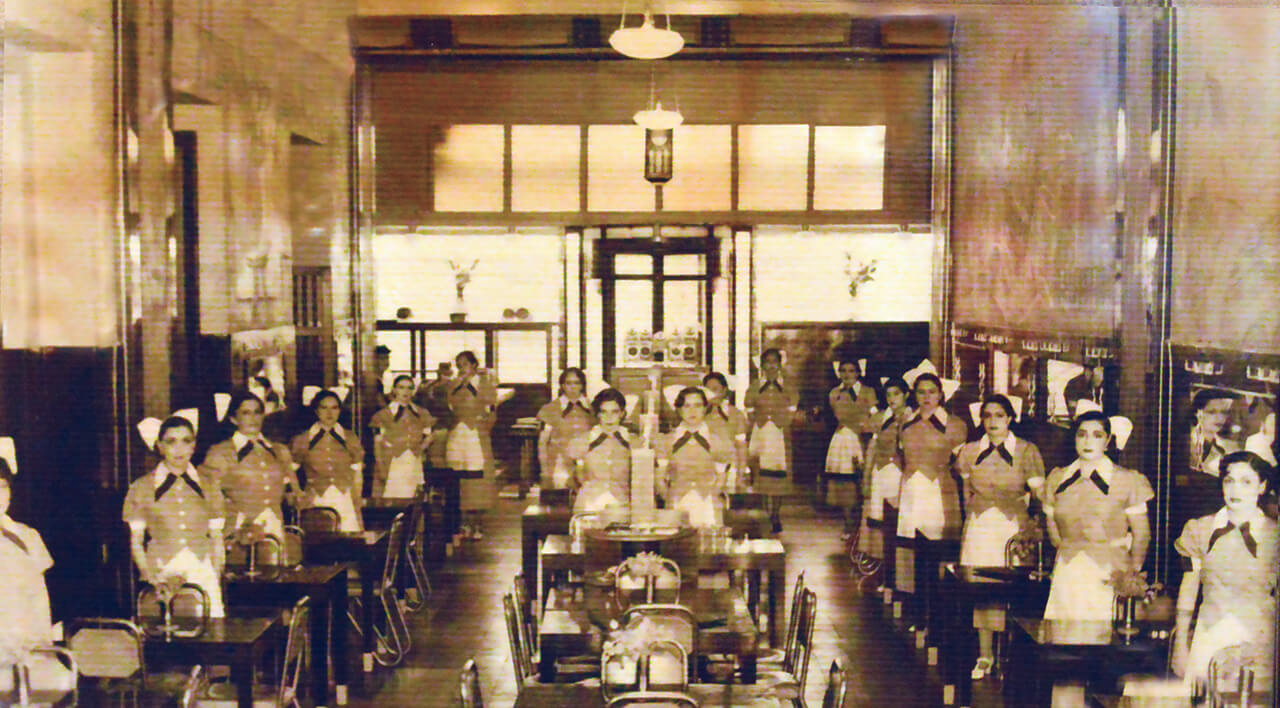
Several decades ago, I was trendy; today, the authenticity of my recipes, the aromas, the talavera, and the place itself have made me a classic. They bring back the past to my guests, return for moments the longing for my austere beginnings, and make that nostalgia spring forth. But I always liven up the afternoon and reveal that the “now” is as good as the “before,” letting colorful lights pass through my stained glass and offering a soft sugar loaf served by my waitresses with impeccable white bows.
Sometimes they ask me how I reached this age, what my secret is. And thinking about it, I have no secrets. The metate, the comal, and the molcajete are not my secret; on the contrary, they are proof of my respect for our customs and our ingredients, unique in the world and treasured by so many. Love, dedication, and the pleasure of serving are not secrets either. I can almost assure you that for those reasons I have reached this moment, my first century. I have collected thousands of anecdotes since then; they remain engraved in my memory as if they had been chiseled with a burin.
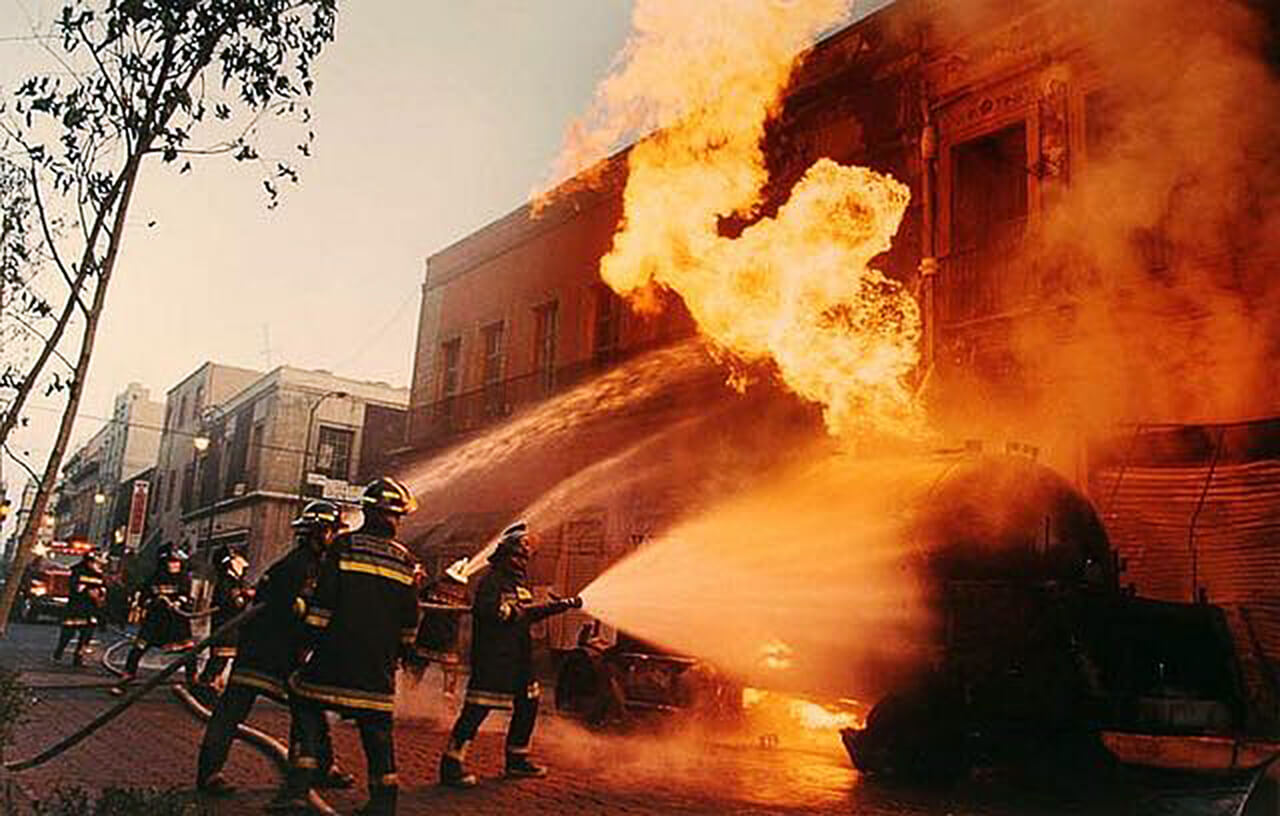
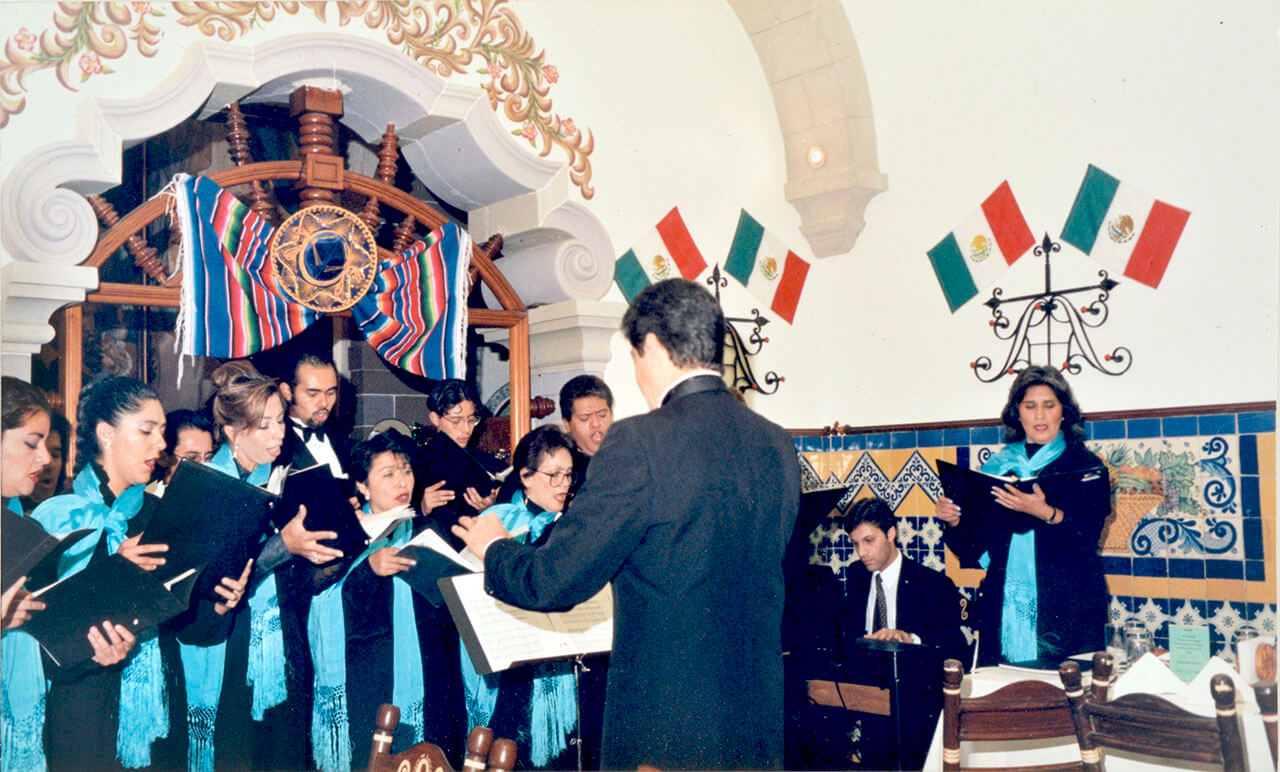
I would love to tell you about the former occupants of this mansion, when the nuns served the devout in the Divine Savior hospital; about my beginnings and my reduced menu of fruity atoles, desserts, bread, and coffee; about how people dressed and the words they used. About my weddings and events, the conversations I heard from philosophers and rulers. About when I witnessed a murder in one of my chairs and couldn’t close my eyes; about when I suffered third-degree burns and felt the affection of my people to return, from soot and ashes, to please the most craving passersby of this city.
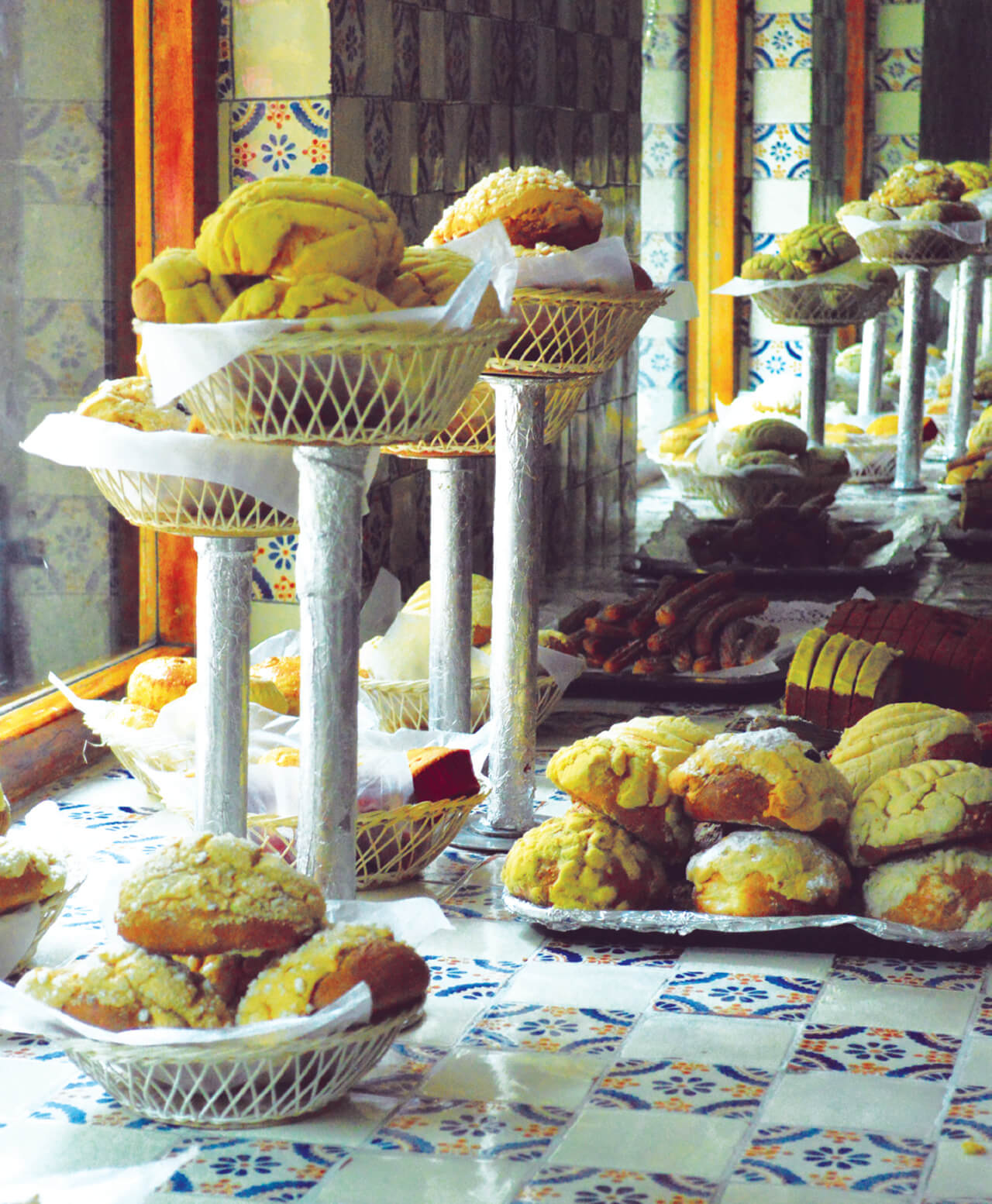
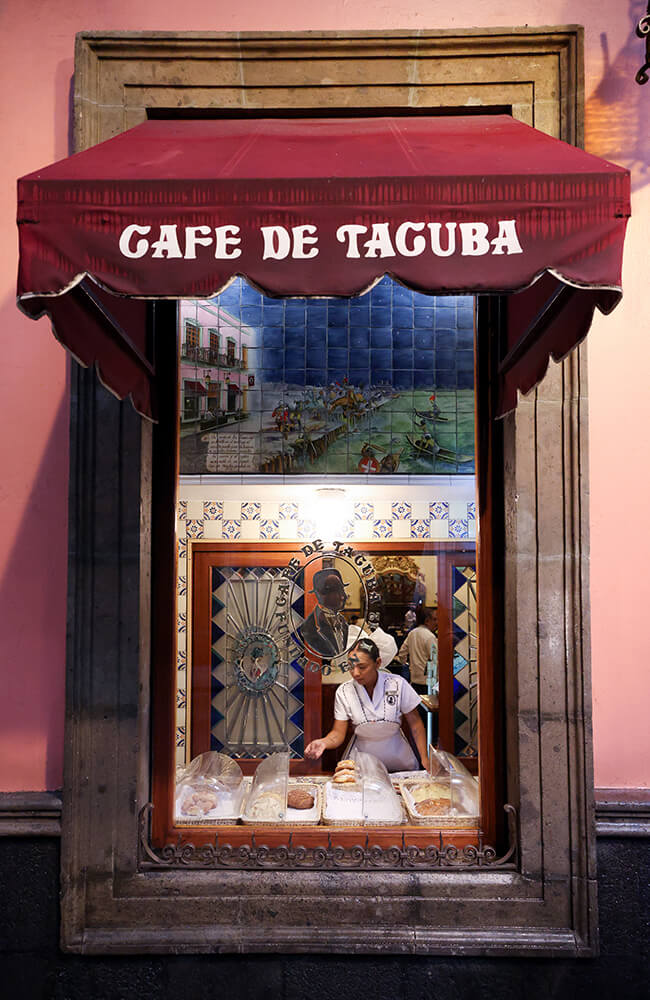
I would love to go on about all that, but it will have to be another time. It’s almost eight in the morning and soon I must open my doors, not without first telling you something about what happens at these hours. In the mornings, they place desserts and fruit in my display cases. The shine of the syrup invites in the most varied and eclectic clientele. They have breakfast and lunch daily to leave satisfied for work or to explore the Historic Center, of course, after making their laughter echo in my vaults. They inject me with energy and have shaped, over the years, my personality—something not every restaurant acquires easily.
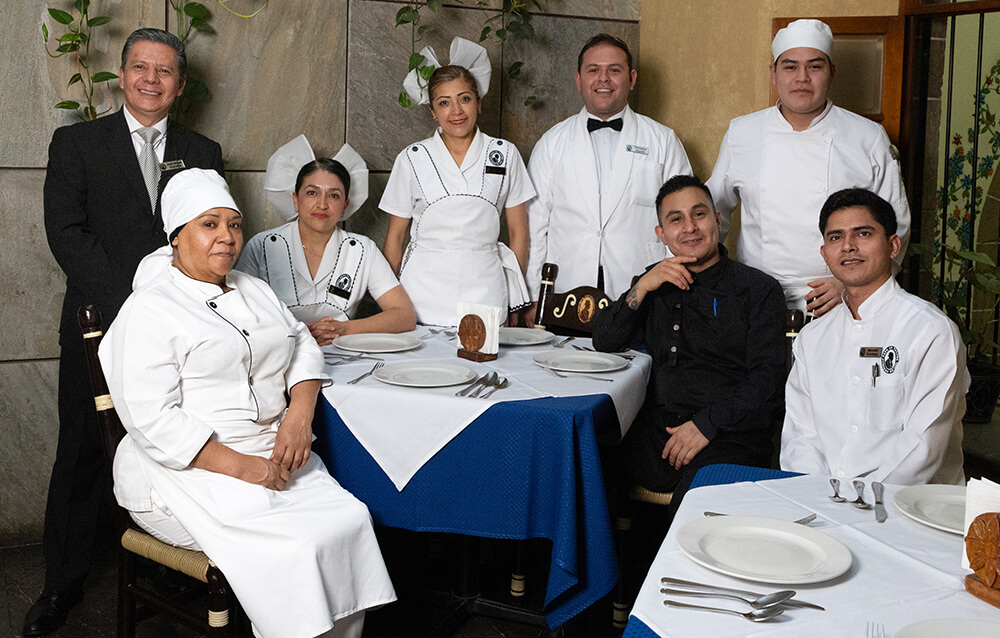
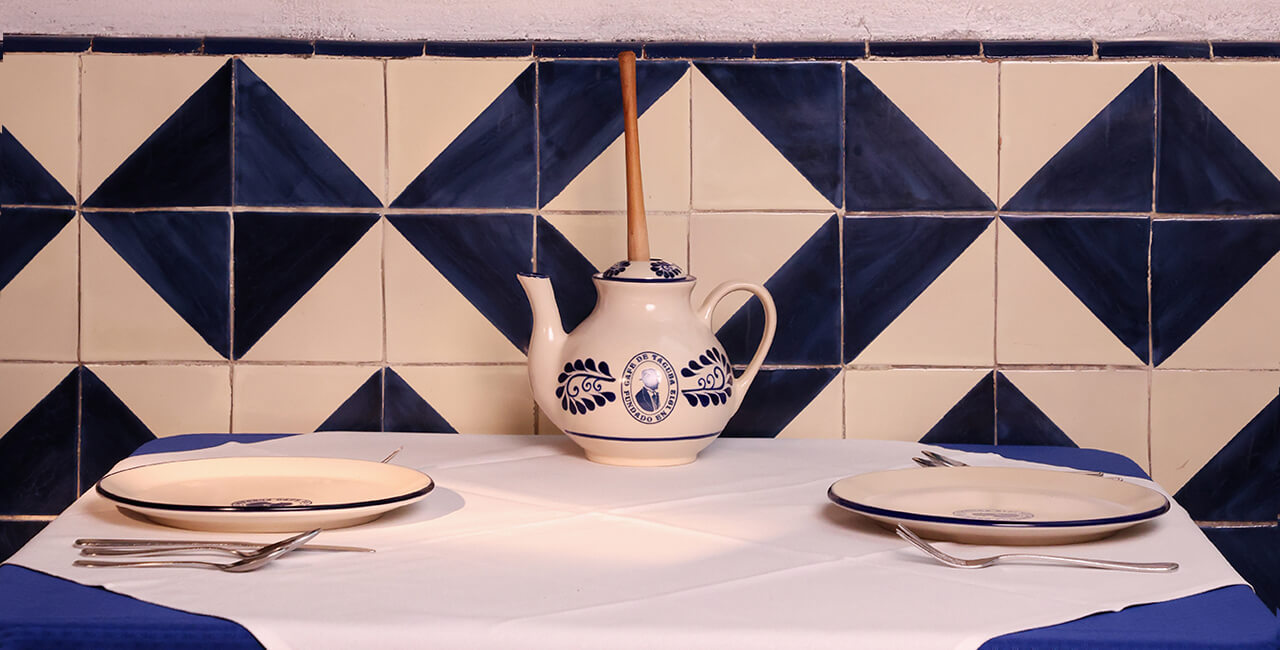
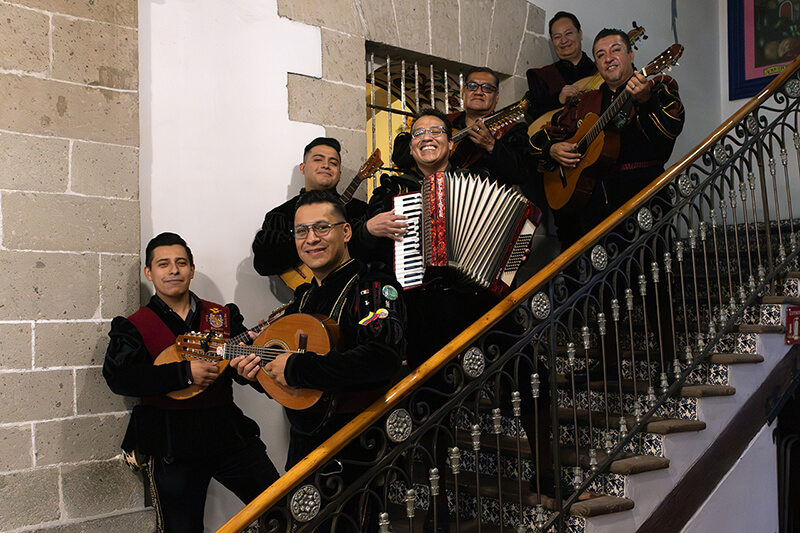
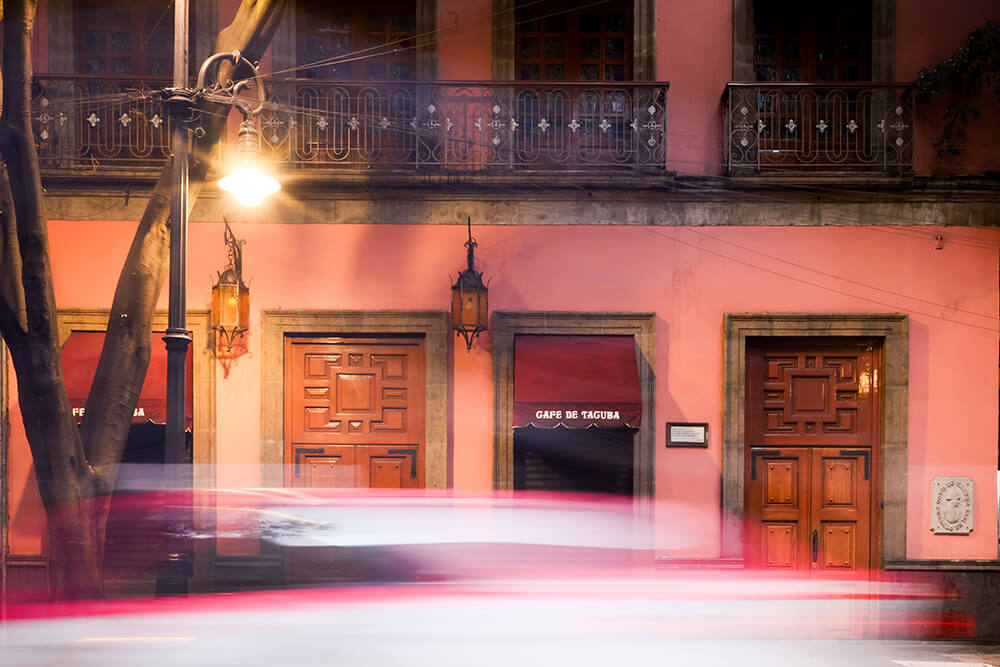
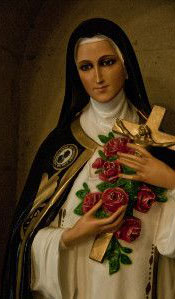
At night, however, without the music of the estudiantina accompanied by plates, cutlery, and familiar voices, an absolute and well-deserved peace settles in. In our Historic Center, everything becomes so quiet that the only sounds are the creaking of my wood and the falling of each drop of coffee extract into the glass carafe that lulls me and marks my seconds like a clock. At these hours, Sister Clarisa watches over my belongings and grants me the tranquility needed to fall asleep.
But today I have insomnia, and I have seen the night turn into day…
Curiosities and Legends
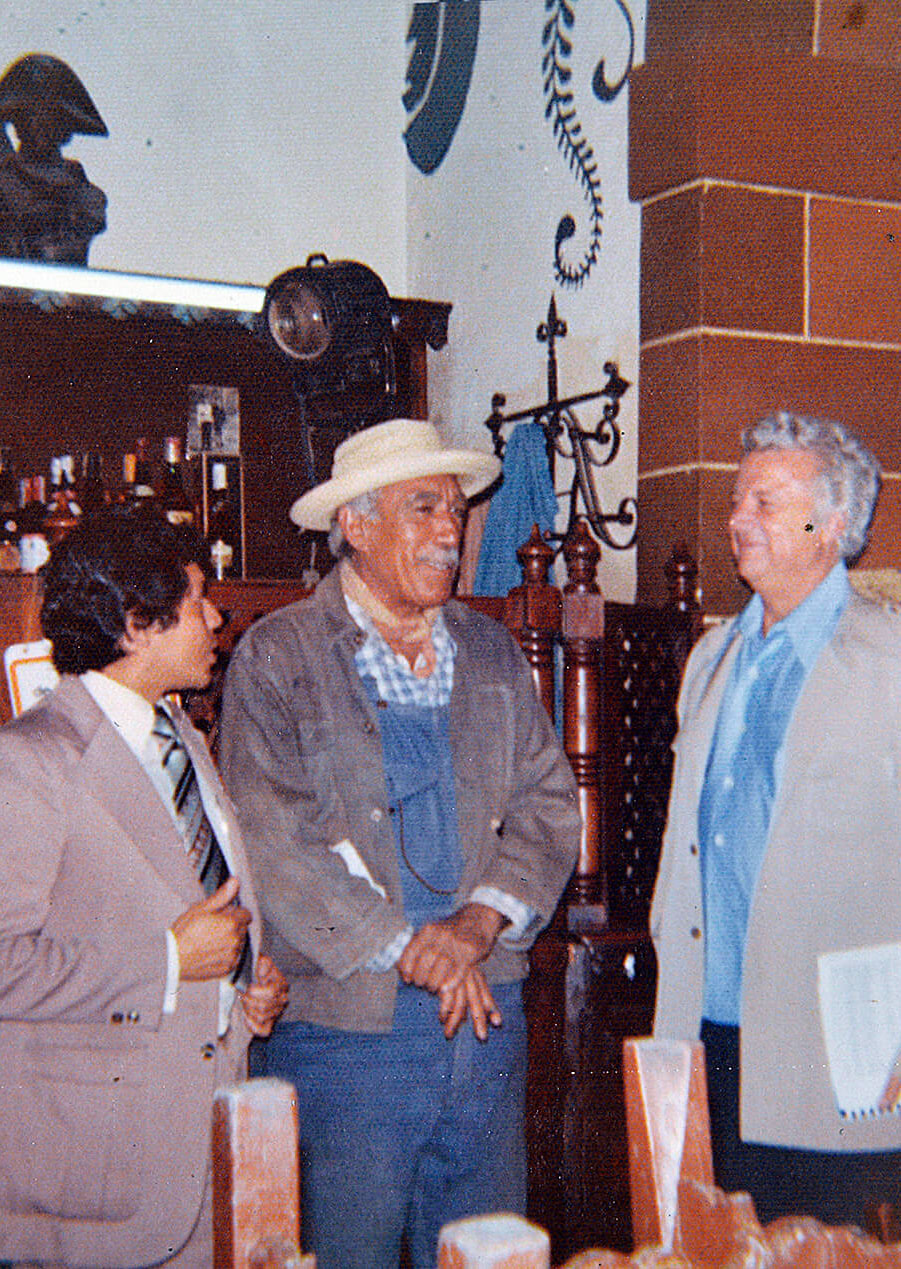
In 1978, the movie The Children of Sánchez was filmed here, based on the work of renowned writer Oscar Lewis and starring award-winning actor Anthony Quinn.
During his visits to Mexico, Oscar Lewis used to come to Café de Tacuba to eat and was fascinated by the life of one of its employees: Santos “Santitos” Hernández.
A long-time worker and beloved character inside and outside Café de Tacuba, his job was to “straighten up the place,” manage the warehouse, and stay in touch with all the suppliers, giving him a life rich in stories and nuances. That experience proved especially appealing to the writer, who turned it into a novel and, after its success, it was brought to the screen.
Sister Clarisa
Right in front of Café de Tacuba still stands a church belonging to the old Santa Clara convent, now the Library of Congress. The back part of Café de Tacuba was, during colonial times, part of a home for mentally ill women known as the Hospital de la Canoa, also called Hospital del Divino Salvador. This place is the cradle of the famous apparition of the “Nun of the Café”: the spirit of Sister Clarisa, who wanders floating, suspended over the steps of the Mexican Room staircase.
On the darkest nights at Café de Tacuba, it is said that she lets out a long, mournful sigh that reaches every corner of the Café and stops hearts.
More than a spooky presence, Sister Clarisa represents a protective companion, a guardian angel for both visitors and those who are part of the place.